










|
|
|
|
|
![]() ![]() ![]() ![]() |
| © Copyright 2007 MediFriend. All rights reserved. |
| What's New |
| US
Patent granted for new Stethoscope |
|
| MediFriend
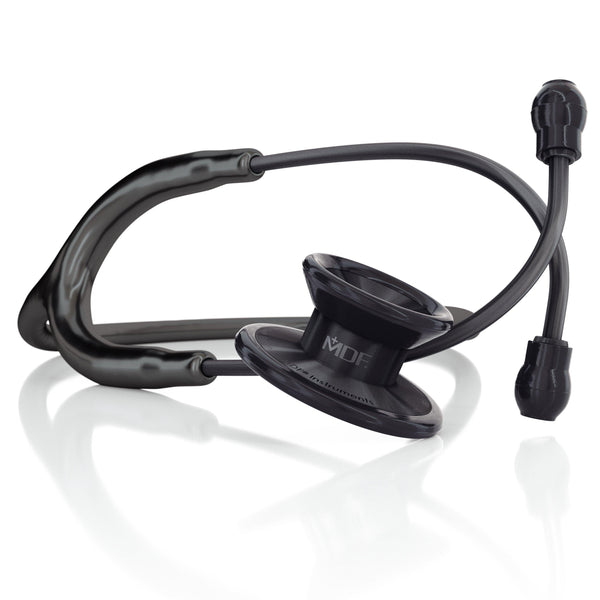
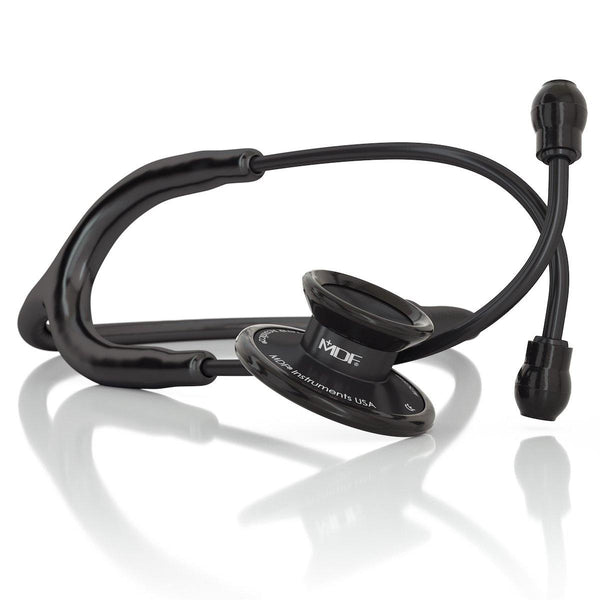
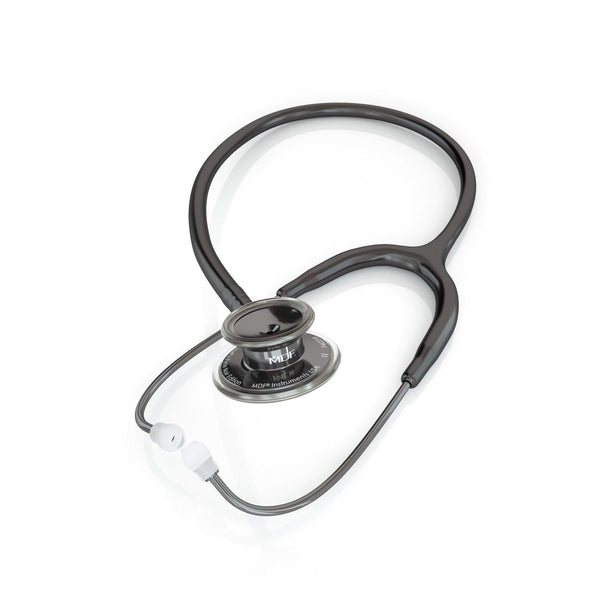
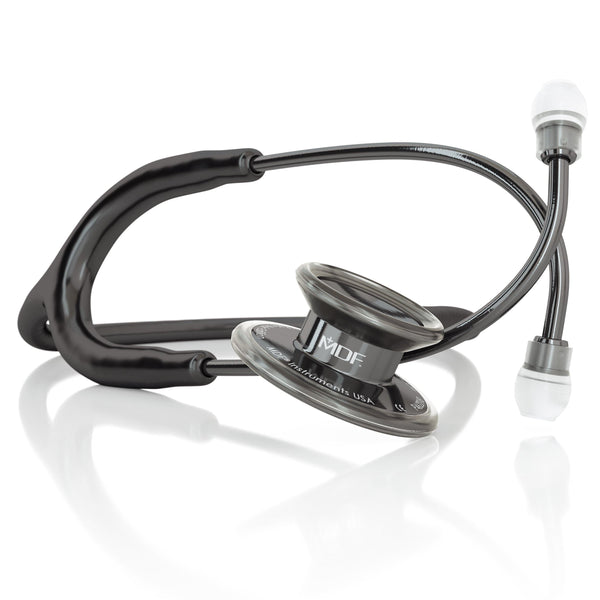
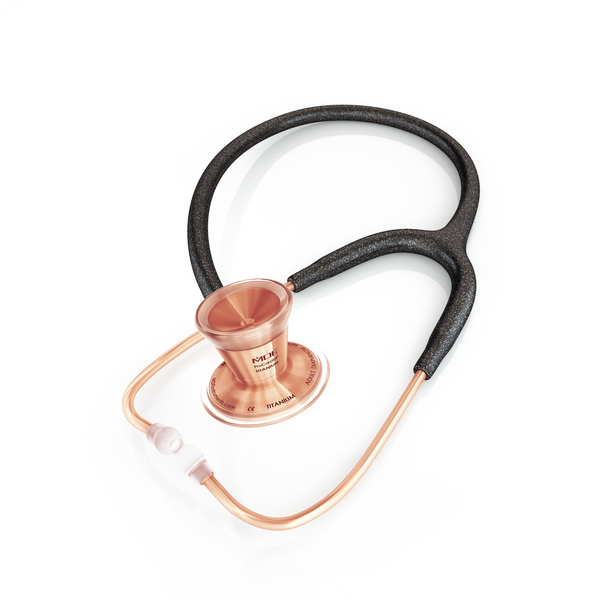
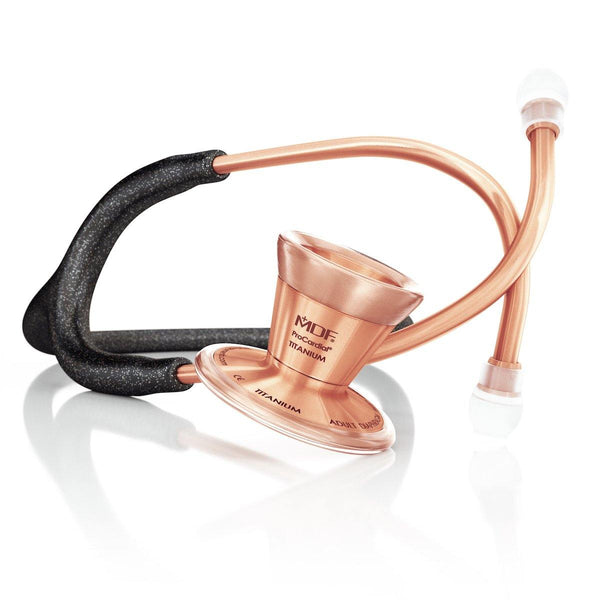
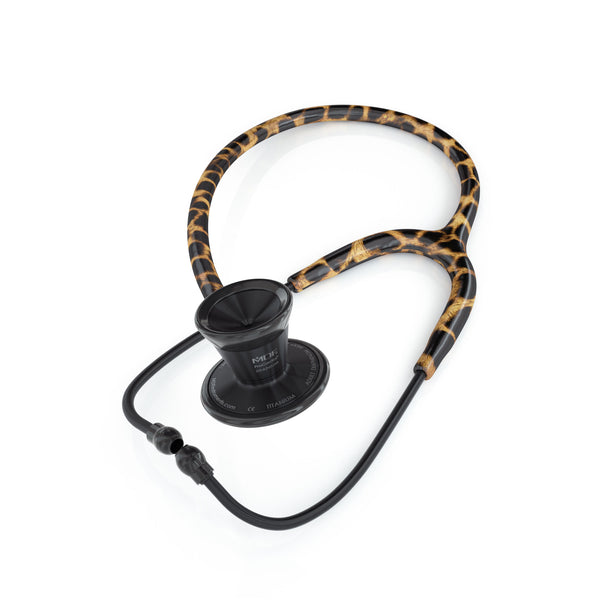
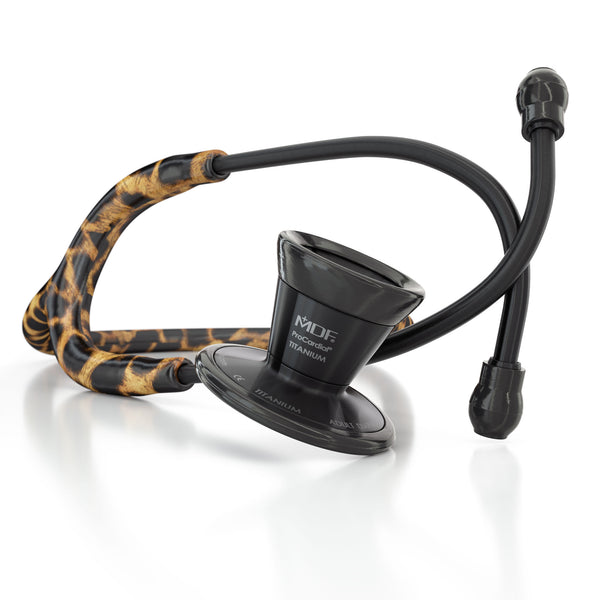
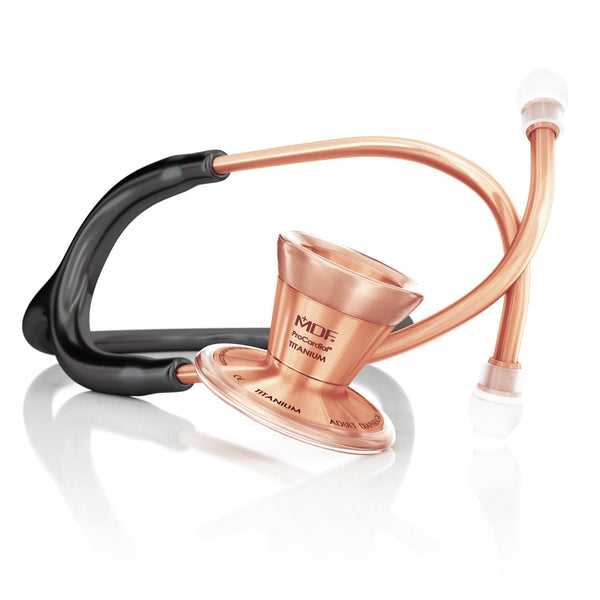
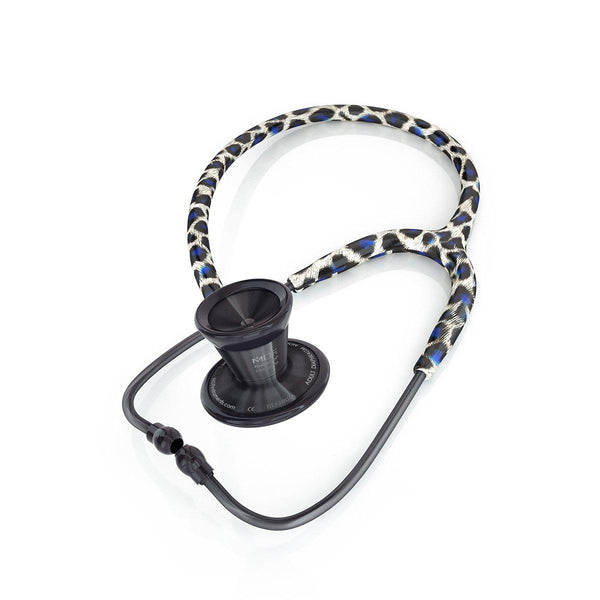
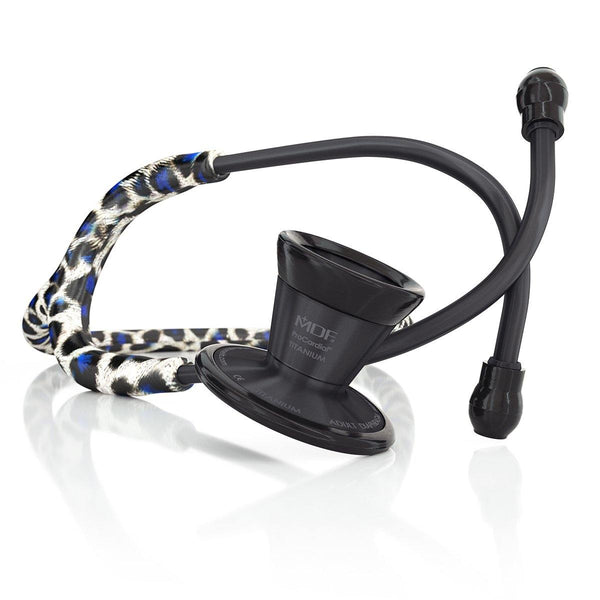
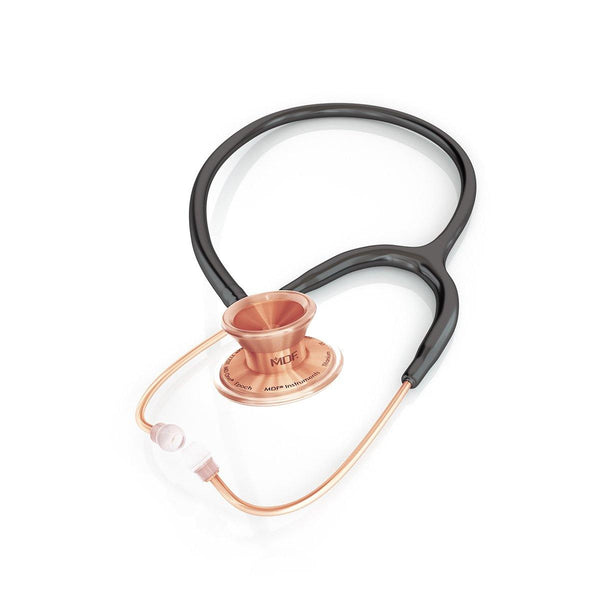
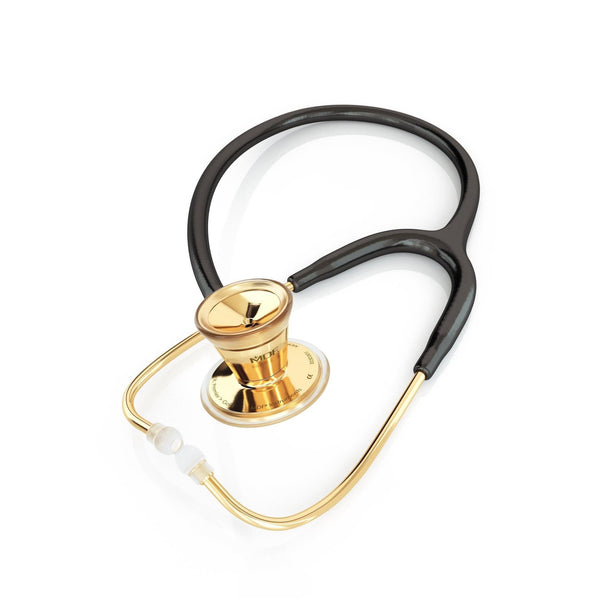
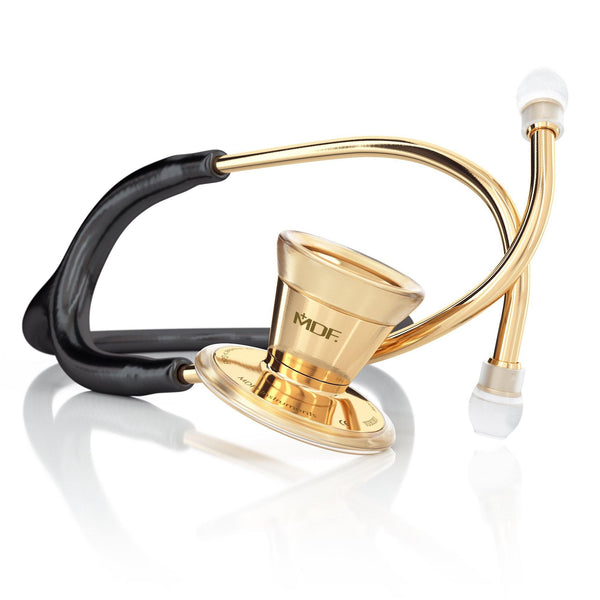
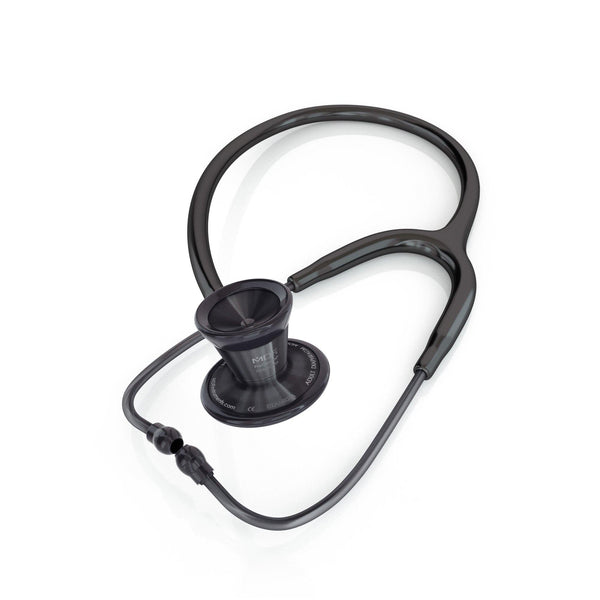
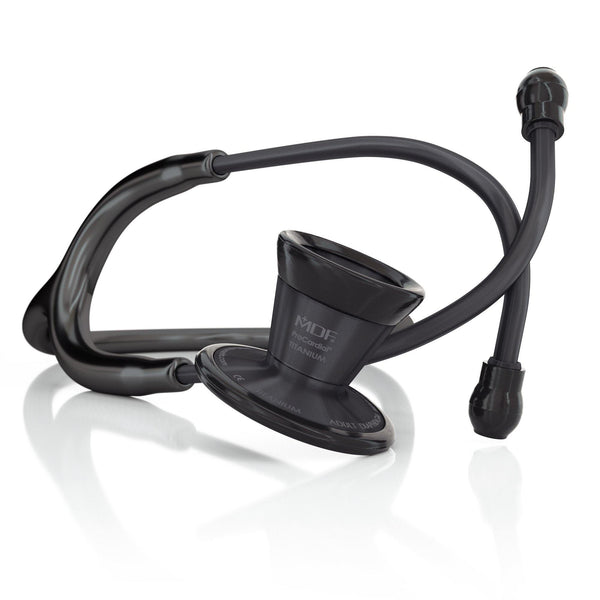
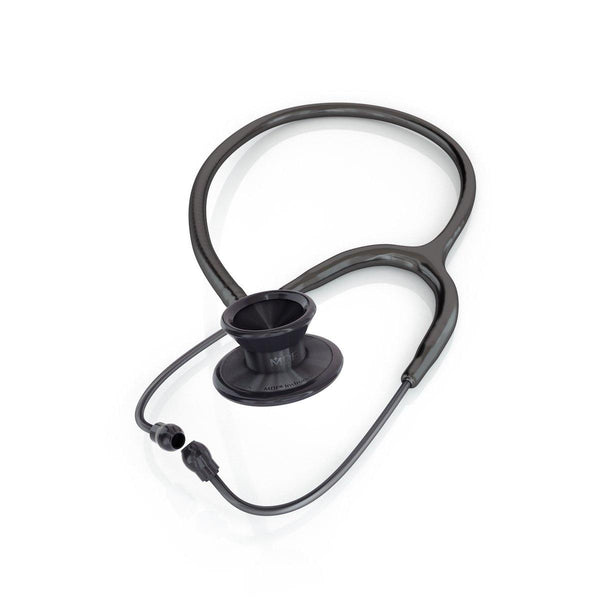
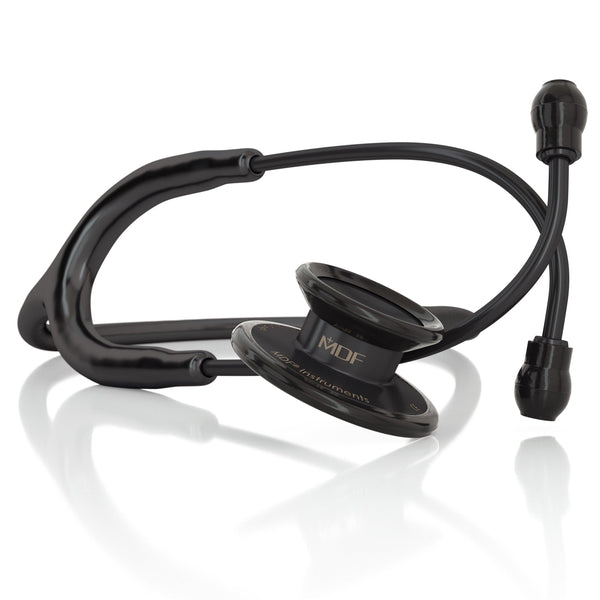
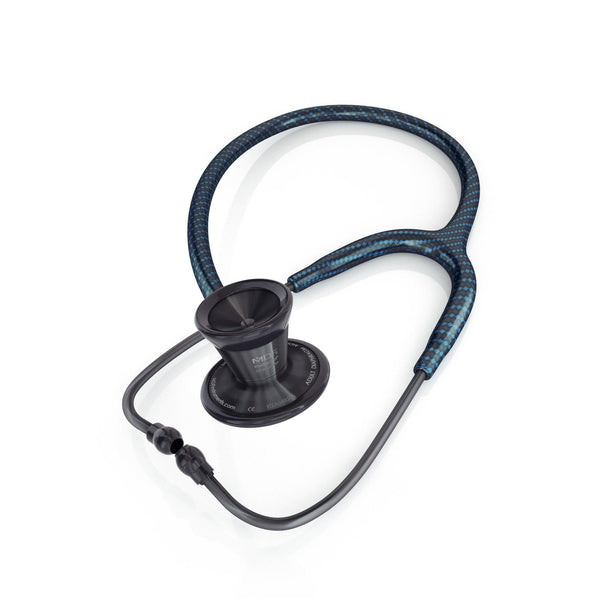
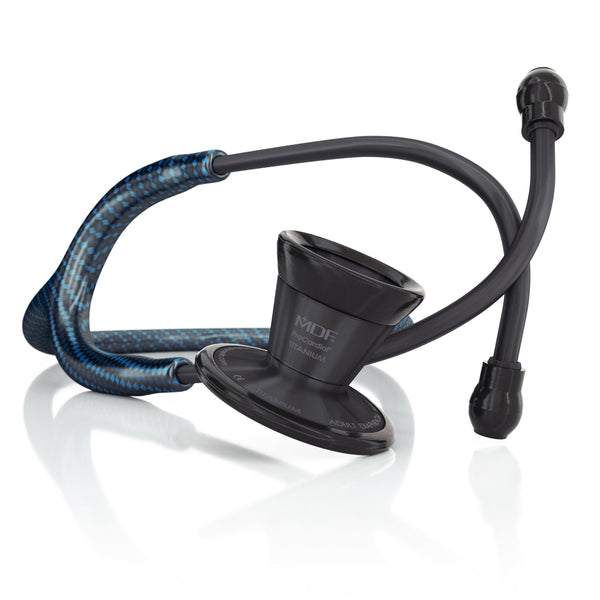
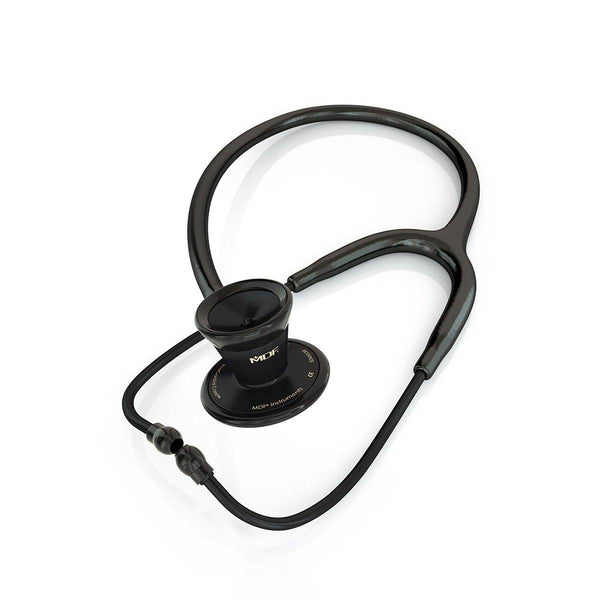
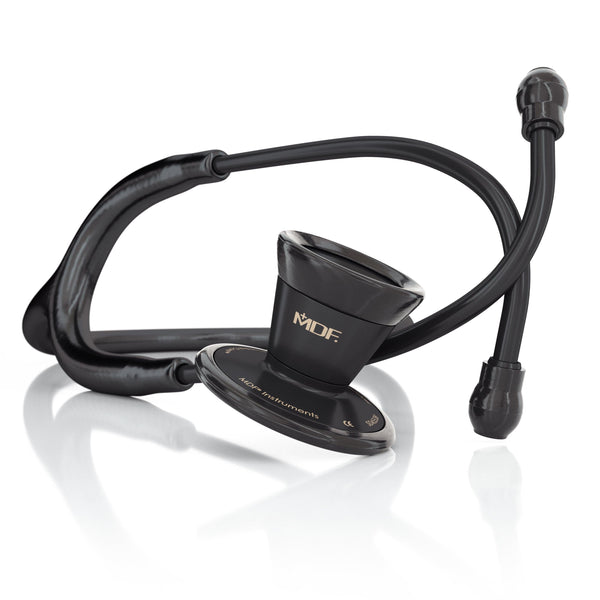
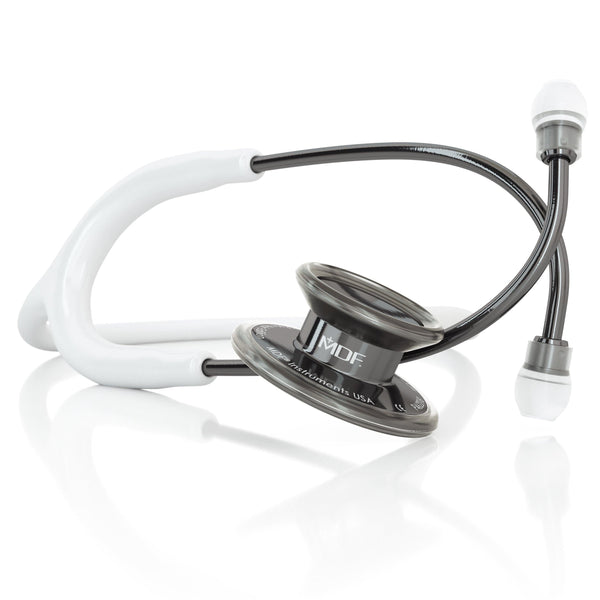
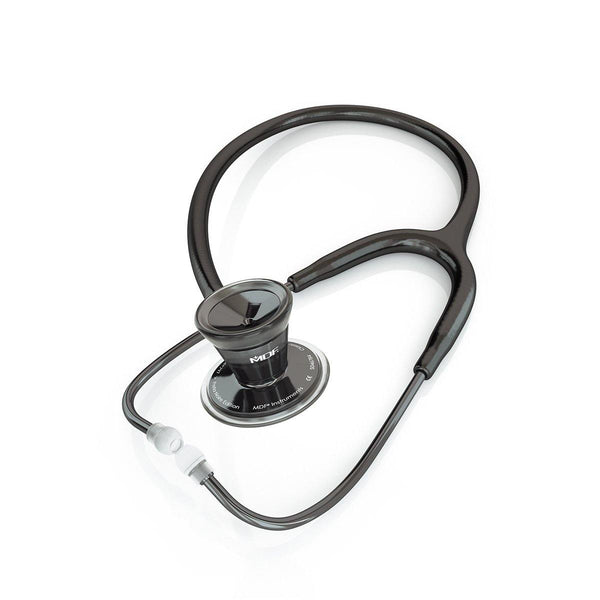
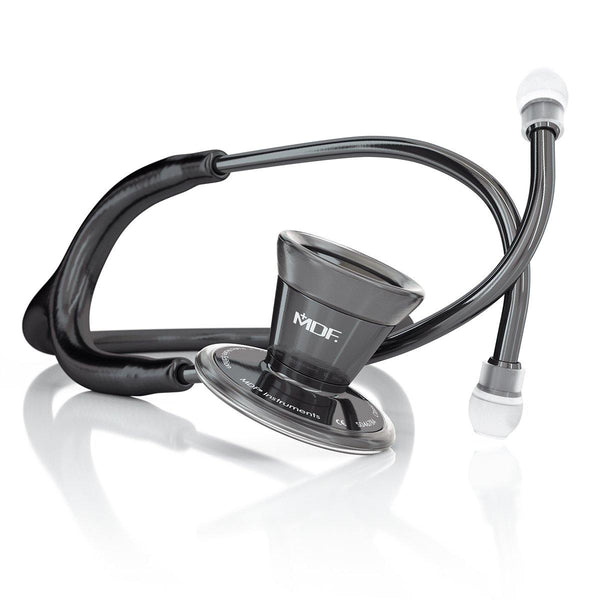
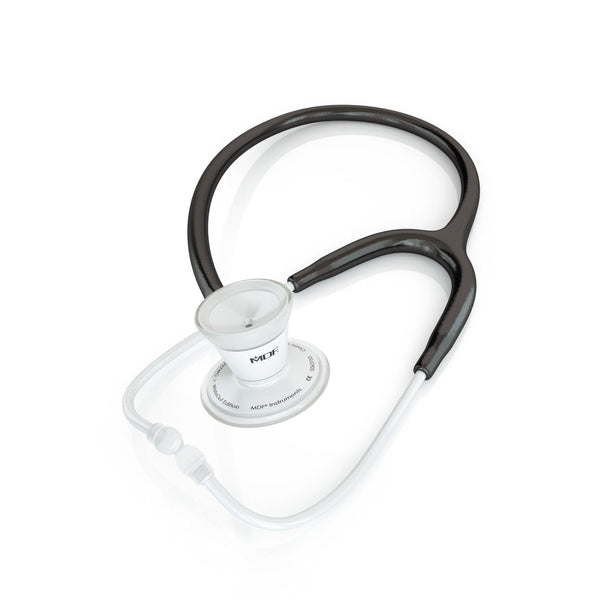
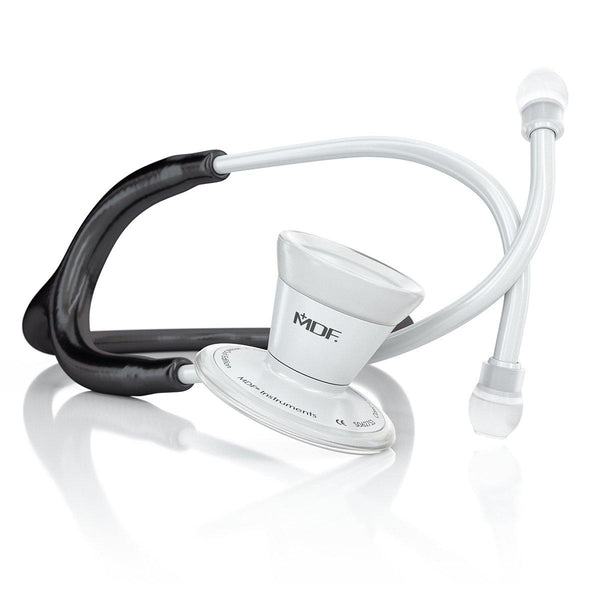
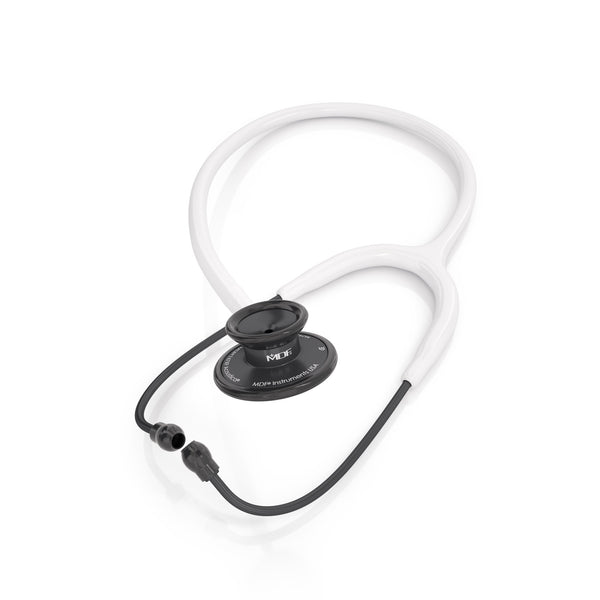
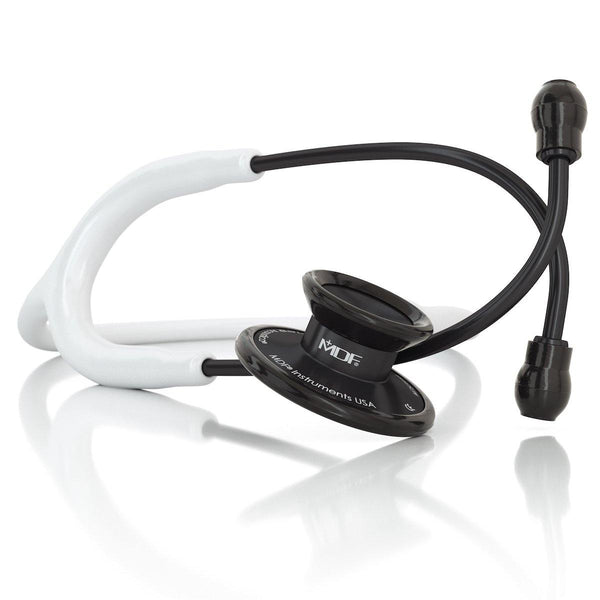
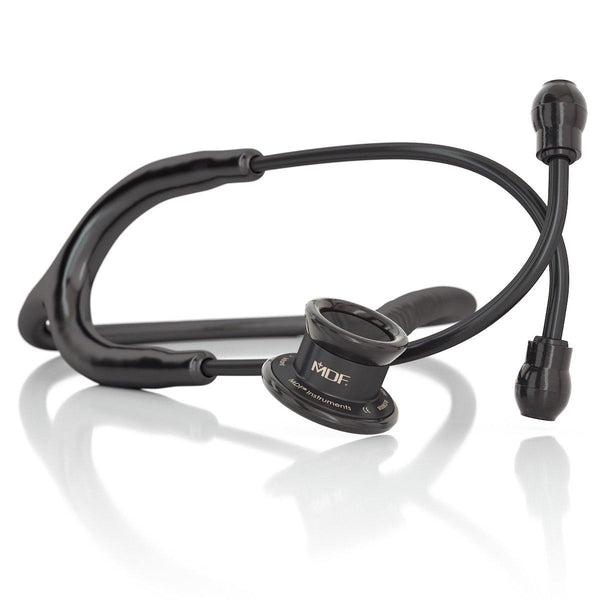
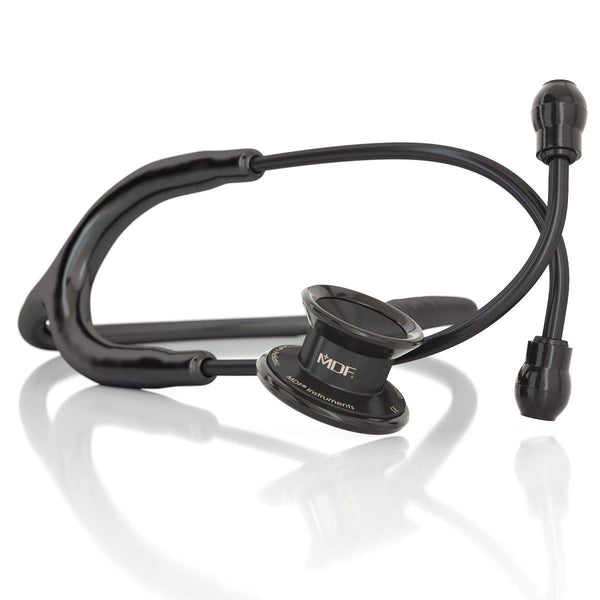
introduces BlackOut Series |
|
| manufacture manufacturer maker producer Stethoscope.com
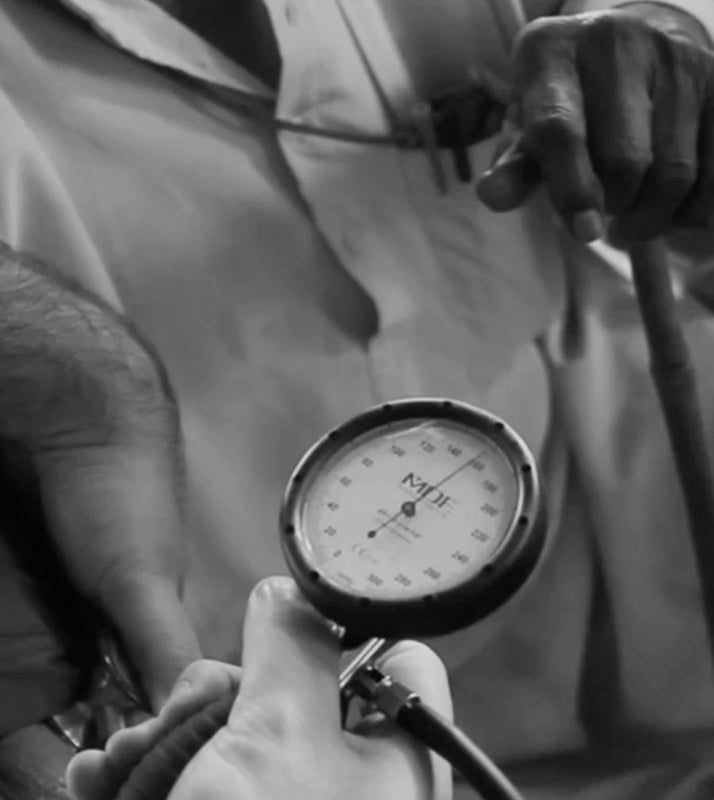
has worked hard to find the best products in this critical category. A cheap
blood pressure unit yields marginal results. The models listed here are
the best of the best. Priced for every budget be sure to invest in a high
quality unit when you buy one. Be sure to click on the manufactures links
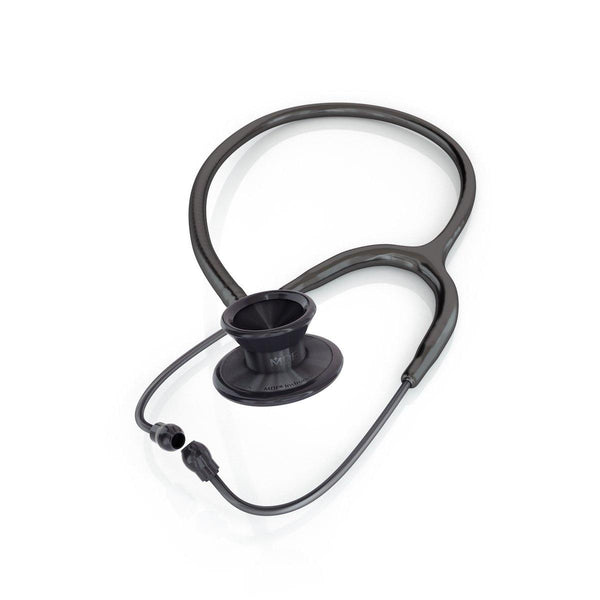
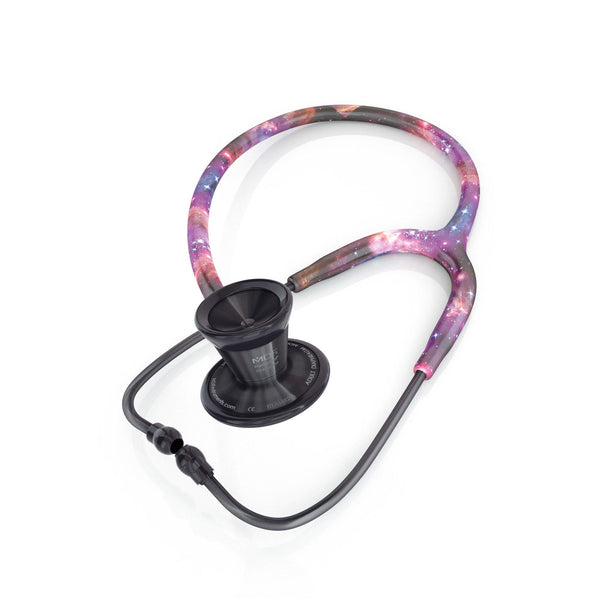
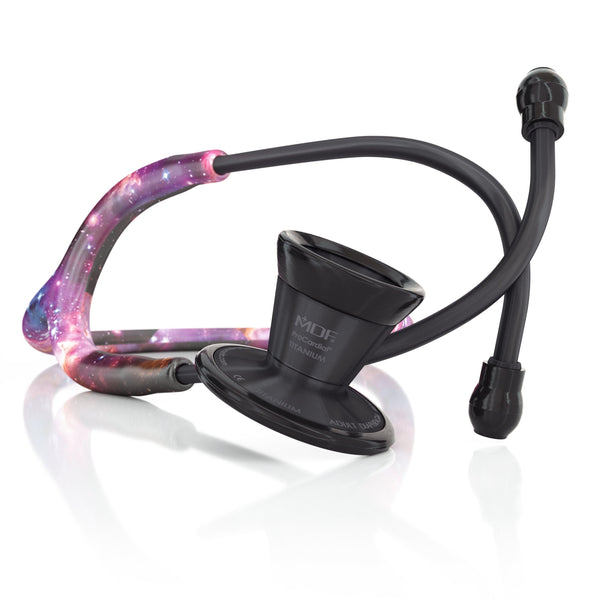
on the left to see more available units. Blood Pressure Below is the detail information for the selected product. Type in the quantity of the products you wish to purchase along with the item number and click "Add to cart". If there is an engraving option for this product, simply type in what you would like to appear on the product Tycos Family Practice Blood Pressure Kit 100% Latex free, Tycos offers the family practice kit to accommodate the full range of patients from pediatric to larger adult arm sizes. The kit features the Tycos classic hand aneroid and three cuffs (Large Adult, Adult, Pediatric) and zippered storage case. The gauge features a twist air valve for one hand operation. The one-piece cuffs are made from extremely durable washable materials. A phosphor bronze bellows insures accurate inflation. The gauge carries a Lifetime warranty. The pocket aneroid offers the quality and accuracy in a very affordable system. Traditional pocket style gauge clips onto the cuff for convenience. The cuffs are made of the same durable material as more expensive models. The gauge carries a 5 year warranty. This item is available with different cuff sizes click below and chose the one best for you. The Baumanometer® Desk Model features a large bore, Mylar® Clad glass cartridge tube, our Calibrated® V-Lok® Inflation System and a diecast aluminum alloy case. It is a precisely calibrated clinical sphygmomanometer, designed for medical practitioners who require a strong, lightweight, portable instrument that offers scientific accuracy and years of trouble-free service. The case is made of lightweight aluminum alloy. The instrument color is Neutral Gray textured baked enamel. The aluminum scale has large white epoxy numerals on a black anodized background. This model is the one you are most likely to find in an exam room. Model "33" is the standard for mercury blood pressure recording devices. Simple in design, the Baumanometer® Wall Unit 33 is convenient to use, functions on the immutable law of gravity and is guaranteed to remain scientifically accurate. It is a 300 mm Hg swivel-type instrument for wall mounting which includes a Calibrated® V-Lok® Inflation System, Wall Basket and 8 feet of Extendex® Tubing. The standard color is Neutral White textured baked enamel. The standard cuff color is Medium Blue. The Wall Aneroid from W.A. Baum is built to agree with master instruments, which are traceable to the United States National institute of Standards and Technology. It complies with ANSI / AAMI SP-9 for accuracy and performance (1% full scale ± 3 mm Hg). Its unique high contrast scale and red pointer increase visibility and reduce parallax error. The manometer is manufactured with a metal mounting bracket, high impact ABS plastic manometer housing, precision low-friction movement and twin pre-seasoned phosphor-bronze diaphragm capsules. Model 0970 Includes 8 ft of Extendex® tubing, large storage basket and three complete Calibrated® V-Lok® Inflation System Cuffs (Adult, Child and Large Arm) packed in one carton. The Baumanometer® Desk Model features a large bore, Mylar® Clad glass cartridge tube, our Calibrated® V-Lok® Inflation System and a diecast aluminum alloy case. It is a precisely calibrated clinical sphygmomanometer, designed for medical practitioners who require a strong, lightweight, portable instrument that offers scientific accuracy and years of trouble-free service. The case is made of lightweight aluminum alloy. The instrument color is Neutral Gray textured baked enamel. The aluminum scale has large white epoxy numerals on a black anodized background. Outstanding acoustics and exceptional versatility characterize the Littmann Cardiology III Stethoscope. The innovative design offers a patented tunable diaphragm on each side of the adult and pediatric sided chestpiece. The pediatric side of the bell converts to a traditional bell by simply replacing the diaphragm with the non-chill bell sleeve included with each stethoscope Just Released! The new Cardiology S.T.C. Stethoscope from 3M Littmann. The precision of the Littmann Cardiology S.T.C. Stethoscope begins with innovative design technology. Outstanding acoustics are combined with a unique and easy to grasp "Soft Touch" chest piece that allows easy movement between auscultation sites. Littmann Master Cardiology Stethoscope A patented tunable diaphragm and superb craftsmanship offer the ultimate performance in a superior single -sided stethoscope. The Littmann Master Cardiology Stethoscope meets the exacting standards of health care professionals who demand the highest acoustic response. Littmann Master Cardiology Stethoscope A patented tunable diaphragm and superb craftsmanship offer the ultimate performance in a superior single -sided stethoscope. The Littmann Master Cardiology Stethoscope meets the exacting standards of health care professionals who demand the highest acoustic response. The wait is over! Now in stock for immediate shipment the new Littmann® Model 4000 electronic stethoscope. This is the one with all the features. An on board LCD screen displays heart rate and mode. Three separate listening ranges for all the sounds Bell (20-200Hz), Diaphragm (100-500 Hz) and Extended Range (20-1000Hz). The stethoscope can record and store 6 separate sounds and playback at normal or ½ speed to aid in diagnosis. Recorded sound files can also be sent to any other model 4000's or a Windows equipped PC. No expensive software to mess with just hit send and the sound file arrives through the IR port on any PC. Be sure to click the enlarged picture for close up details. Triple-head features three easily rotated chest pieces (bell, corrugated diaphragm, flat diaphragm). Clearly detects full range of important sounds from low frequency gallops to the faint high frequency blow of aortic insufficiency. The sound detection capability of three chest pieces allow for the most complete auscultatory examinationLittmann Master Cardiology Black Edition* Features a black plated chestpiece and binaural. A very stunning appearance. The technical features inlude A patented tunable diaphragm and superb craftsmanship that offer the ultimate performance in a superior single -sided stethoscope. The Littmann Master Cardiology Stethoscope meets the exacting standards of health care professionals who demand the highest acoustic responseThe Double-head combines brass bell and flat diaphragm chest pieces to detect a wide frequency range of sounds. Bell is designed to fit into smaller areas to easily detect faint, low frequency sounds and murmurs. Diaphragm transmits higher frequency heart and lung sounds. Designed by eminent cardiologist Dr. W. Proctor Harvey, these time-tested stethoscopes have become world renowned for quality and sensitivity. The Tycos Harvey Elite stethoscope features a unique, dual-bore, one-piece latex tube that provides two uninterrupted sound channels. Combined with the proper weight and acoustic properties of solid brass chest pieces, these channels transmit an extensive spectrum of body sounds. Chrome-plated brass binaurals and chest pieces eliminate extraneous sound. The excellent acoustic sensitivity of a patented tunable diaphragm is the hallmark of the low profile Littmann Master Classic II stethoscope. Award winning design combines high performance with portable convenience in this single sided chestpieceLittmann Master Classic Black Edition* Features a black plated chestpiece and binaural. A very stunning appearance. The excellent acoustic sensitivity o 2047U/C - ULTRASONIC/CONTACT STETHOSCOPEThe 2047U/C combines the features of the 4020 standard stethoscope - with those of an ultrasonic (sounds higher in frequency than the ear can hear) detector. Many watches and clocks generate a considerable amount of ultrasonic energy which will travel a great distance if unobstructed. If the watch or clock can be "seen" by the ultrasonic probe, detection ranges on the order of 1 to 20 feet are not uncommon. The ultrasonic probe is highly directional so it tunes out background noise. The system consists of an amplifier/detector assembly (measures 1x3x5 inches), contact probe, ultrasonic probe, and headset, carrying case. The amplifier/detector is powered by a single 9-volt battery.A 20-foot contact probe extension cable, 20-foot ultrasonic probe extension cable, recorder cable and other accessories are also available by special request.The 2047 is a pocket sized high gain, low noise amplifier which combines a standard electronic stethoscope with those of an ultrasonic detector. The ultrasonic probe is highly directional and tunes out background noise.The 2047U/C also does an excellent job locating video cameras, hidden tape recorders, and video tape recorders.Executive protection agents and bodyguards frequently use the 2047U/C to detect hidden tape recorders, video recorders, cam-corders, and other cameras. This is accomplished by concealing the ultrasonic probe in the sleeve and covertly sweeping a suspect item or person to determine covert eavesdropping devices. The contact probe is then used to further explore potential threats. The 2047U/C is commonly used along with a 2060LV RF detector.The 2047U/C is designed to detect conducted surface vibrations in the audible range as well as airborne sounds in the ultrasonic (above normal hearing) range of 35 to 45 kilohertz (KHz). The unit is supplied with amplifier/detector assembly, contact transducer/ probe (SILVER), ultrasonic transducer (BLUE), special 2,000 ohm headset and carrying case. The unit is designed specifically to be used with the high impedance headset supplied and not low impedance (8-32 ohm) headsets.TO OPERATE AS A STANDARD STETHOSCOPE: Insert the contact probe (SILVER) into the CONTACT PROBE jack. NOTE: There are three (3) jacks of the same physical type on the unit, be careful not to confuse one with the other. Place the YELLOW switch in the CONTACT-DOWN position. Insert the headset into the HEADSET jack. The headset is worn with the gray tube under the chin with the sound output holes facing slightly forward (30 degrees). Place the probe on the desired surface and adjust the VOLUME accordingly.TO OPERATE AS ULTRASONIC STETHOSCOPE: Screw the ultrasonic probe (BLUE) onto the ULTRASONIC PROBE connector. Make sure the connection is firm but not over-tightened. Place the YELLOW switch in the ULTRASONIC-UP position. Point the open end of the probe at a mechanical clock or watch (source of ultrasonic sound) and adjust the VOLUME. Bear in wind that ultrasonic energy will travel considerable distances if unobstructed. A single sheet of paper, for example, will effectively block ultrasonic energy from reaching the probe. The ultrasonic probe can be tested by having someone tear a sheet of paper 20 to 30 feet from the probe. The sound should be heard clearly.The unit has a RECORDER output jack which provides line level audio into 10,000 ohms. This jack is run to the AUX (AUXILIARY) input on a tape recorder.The 2047U/C is powered by a single standard 9 volt battery (Alkaline always preferred) which will provide an approximate total of 70 hours ON time. To replace the battery, loosen the two silver screws on the sides of the unit one or two turns. Carefully lift off the back cover, remove the old battery (noting its position), replace it with a fresh battery and replace the back cover. Be careful not to pinch the battery connector leads with the back cover. Tighten the two screws but don't over-tighten. Remove the battery during prolonged periods of storage. As with any piece of sophisticated electronic equipment, do not store the 2047U/C in extreme heat or humidity.NOTE: Television sets generate frequencies which fall into the detection range of the ultrasonic probe, therefore, do not operate the 2047U/C within 100 feet or an operating TV set, monitor, or computer display. A Beginner's Guide to Using a Stethoscope --------------------------------------------------------------------------------This exercise is intended to teach students how a doctor uses a Stethoscope to diagnose disease. Learning to use a stethoscope takes considerable experience. If anything "abnormal" is heard during this exercise, this should not be taken as a sign of illness. Only a trained doctor can make that determination. Functional stethoscopes can be purchased from medical or nursing supply stores for as little as $10. More expensive models are not necessary for teaching purposes.Stuff needed for this exercise: A stethoscope Balloons 1/2" x 6" diameter plastic tube New disposable sponges Water What is the Stethoscope For? Stethoscopes are used to hear sounds generated from within the body. They are used to listen to the heart, lungs and intestinal tract. They are also used for measuring blood pressure.Basic Terminology Bell The bell of the stethoscope is the cup shaped part at the end of the tubing, usually opposite to the diaphragm. Not all stethoscopes have a bell. The bell is used to listen to low pitch sounds. Diaphragm The diaphragm of the stethoscope is the flat part at the end of the tubing, with the thin plastic "drum-like" covering. The diaphragm is used to listen to high pitch sounds. Some stethoscopes have a diaphragm but no bell. Tubing The stethoscope tubing transmits sound from the bell or diaphragm to the earpieces. Some stethoscopes have single tubes, some have double tubes. Double tubes are more sensitive, but may rub against one another causing "squeaks" to be heard. Earpieces Earpieces fit into the ears. They should angle slightly forward for the best fit. Earpieces made of soft rubber are more comfortable and may prevent outside sounds from interfering with your listening. What Do You Listen For? Heart The heart is located on the left side of the chest, between the 4th and 6th ribs, almost directly under the breast. Use the stethoscope to listen to your heart. Move it around and notice if it sounds any different in different places. Compare the sounds heard using the bell versus the diaphragm.Normal heart sounds are "lub-dub". Each "lub-dub" represents one contraction of the heart. The noises are made when the valves snap shut. "Lub" is the closing of the atrioventricular valves; "dub" is the closing of the pulmonic and aortic valves (look 'em up in an anatomy book!)Some people may have other heart sounds as well. If a quiet "whoosh" is heard after the "lub-dub", this is called a "murmur". Murmurs are the sounds of the blood itself moving through the heart. It makes noise when the blood flow has turbulence. This can be because a valve doesn't open or close all the way. Many people have heart murmurs without it affecting them at all. If someone in the class has a murmur, ask if you can listen and compare to your own heart's sounds.Lungs and Airways Listen to your lungs by placing the stethoscope over your chest and breathing in and out deeply and slowly. Move the stethoscope around and compare the noises heard in different areas. Compare the sounds heard using the bell versus the diaphragm. Normal lung sounds should not have any crackles or wheezes in them. Place the stethoscope over your throat and listen to the sounds your trachea makes.Percussion may be performed on the chest as well. Instead of listening for sounds made by the body, you are listening for sound reflected by sounds you make. For this exercise you need a partner. Place the stethoscope on your partners chest and lightly "thump" a finger against their chest all around the stethoscope. Normal sounding lungs sound slightly "hollow" because they have air in them. Compare this to holding the stethoscope over something solid like a shoulder blade. This sounds "dead". If a lung sounds dead on percussion, it can indicate that the lung has solidified, usually because of pneumonia. Abnormal lung sounds include crackles and wheezes. If the lung rubs on the chest wall there may be friction rubs. Crackles sound just like the word sounds. They indicate that there is fluid in the lungs, such as happens with pneumonia or pulmonary edema. Wheezes are high pitched whistling noises, and are heard with some pneumonias and with airway diseases like bronchitis. Friction rubs are squeaky sounds that can be heard with pleuritis (an infection between the lung and the chest wall). To mimic these sounds, create a model of the lung. Take a balloon and stretch the open end over one end of the tube. Take a sponge and shred it into small pieces. Push the pieces through the tube into the balloon, until the balloon is slightly stretched. Add enough water to moisten the sponge. Squeeze out any excess. Now hold the stethoscope to the balloon and blow in and out on one end of the tube to slightly inflate the balloon. The slight crackly noise you hear is similar to the crackles heard in patients with pneumonia. Wheezes can be simulated by pinching on the neck of the balloon, where it meets the tubing while blowing in and out. Friction rubs can be created by rubbing on the side of the balloon to make it squeak. Abdomen The abdomen can be listened to much like the chest. Holding the stethoscope over the upper left part of the abdomen, just under the ribs, you can hear the stomach gurgling. In the lower part of the abdomen you can hear the intestines. These noises are called "borborygmus". Borborygmus is normal. However, a doctor will listen to these noises and compare them with what is "normal" to decide if your intestinal tract is overactive or underactive. Percussion can also be used to listen to the abdomen. Thumping over the upper right of the abdomen should sound "dead" as a solid organ, the liver, is below it. The stomach or lower abdomen may sound hollow if there is gas in the intestinal tract. Using a stethoscope is an age-old art in medicine and is a very useful, non-invasive diagnostic tool to help localize problems. This is important to allow the doctor to determine what further tests are needed to diagnose disease. |